
We are starting a weekly group for people wanting to enjoy green woodwork at The Garden House.
More info on our Events page
We are starting a weekly group for people wanting to enjoy green woodwork at The Garden House.
More info on our Events page
(For a pictorial 2025, you can have a look at our Gallery)
It has been a fun year and very productive in general. We discovered that we have a lot more cherry plums than realised – this year we saw what seemed to be a mast year for these small plum type fruits – the hedgerows were full of these small colourful fruits.
This year started with some more thinning of the 11 year old woodland to create more space for selected trees. This space allows remaining trees to fill out and retain growth in the lower sections. Where there is less light reaching through the trees, some lower branches have given up – St. Joseph’s Specialist Trust have helped with the tidying up of the trees and habitat piles have been created with the trimmings.
We were pleased with a first proper crop of a ‘seedless’ grape this year in the polytunnel. It seems that not all seedless grapes are necessarily completely seedless, which was a learning curve. ‘Seedless’ grapes may have less well developed seeds than regular varieties, and so can be eaten in their entirety. More to learn about varieties here.
We didn’t have the best year for bees. We caught a swarm which didn’t stay and a weaker colony died out, harangued by wasps. We will try again with a new colony next year.
We had some real beauties in the fruit department as you can see in the gallery for 2025. I think we must have had double the crop of last year. There were so many apples and a successful crop of pears and quince. In some years we have had frost damage to pears, producing a gnarly inedible fruit, but no sign of that this year. Red Falstaff apples have been very impressive and consistent in their productivity over the years – masses of apples this year, great staying power on the trees and a popular crunchy enjoyable apple – released from the tree with a very neat and satisfying roll up of the fruit. Laxton’s Fortune showed what they could do this year with a pleasing eat and easy on the eye. Red Pixie a local variety have not been very productive and we only have a couple of these trees, but the fruit produced has been very pleasant to eat and described by a volunteer as like an old traditional type of apple.
It has been great to have had plenty of apples to share with local food banks, The Godalming Community Store and St. Mark’s Food Bank, Open Grounds Cafe, charities, organisations and volunteers. We are always interested in good causes able to make use of our produce. Please contact us, if you have suggestions.
We have been taking our cider apples to Barnard’s Cider for a return on apples donated and made a new connection with Misty Moon Cider in Farnham who have visited us and picked apples.
Out and about, as part of the Pollinate project – networking and sharing knowledge and skills, a visit has been made to Farncombe Community Garden, West Horsley Place and Hydons Flower Farm. For future ideas on sharing experience and supporting each other, please do get in touch.
As usual, the Garden House would be so much less without the great people who bring the place to life!
Thank you so much to all those who have helped the project to thrive. You are wonderful!
To name but a few, thanks to Simon for feeding the birds, Ben for diversifying the garden with a multitude of interesting plants and sharing a wealth of knowledge, The Growth team from Surrey Choices and Halow for sticking with us for years of practical support, St. Joseph’s for helping with tasks around the estate, Miriam for keeping us in order, Nic for running The Workshop and to Andrew and Caroline Hunter for making it all happen!
Andy Holdaway, 18th Dec., 2025.
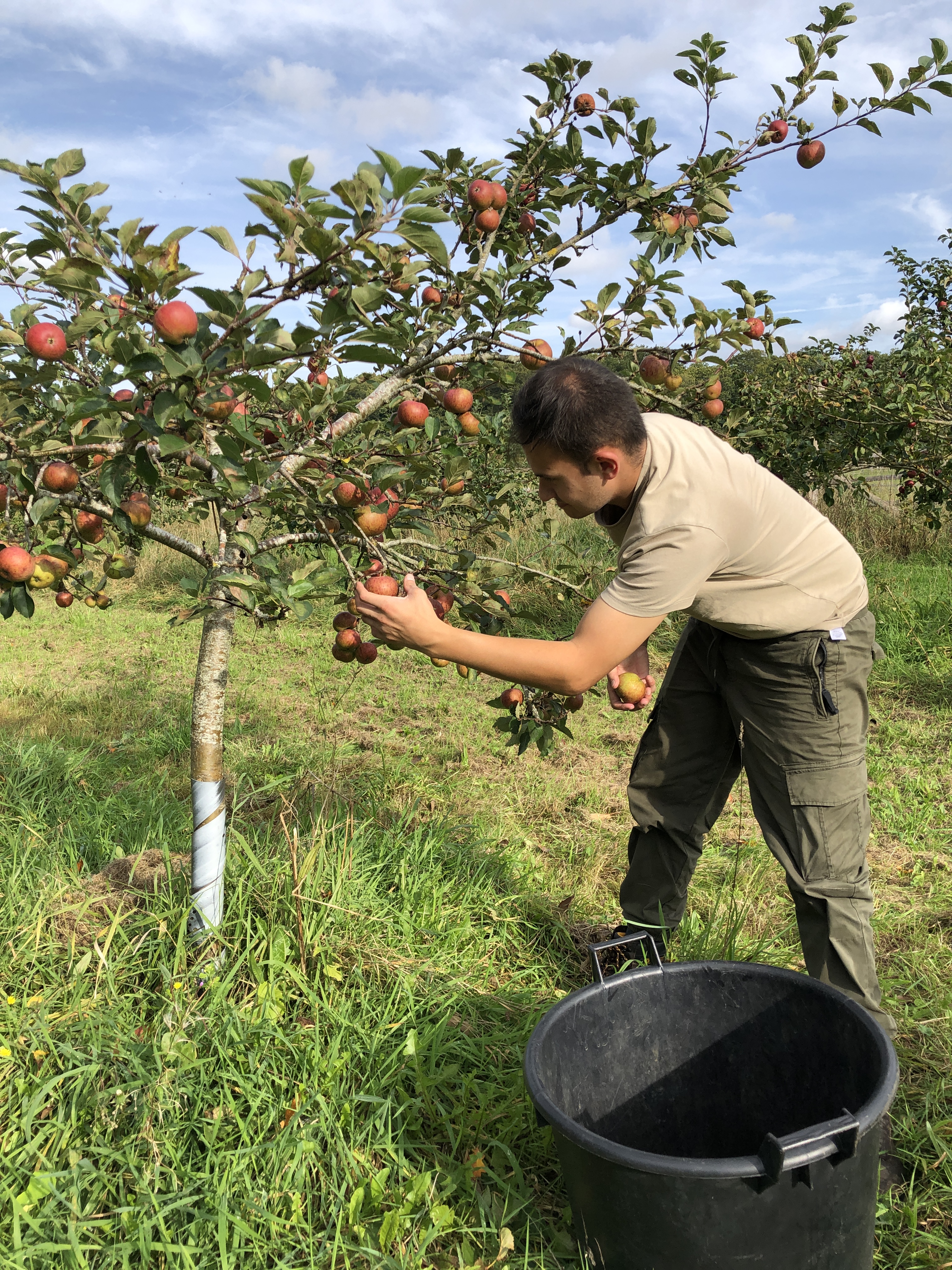
Planted in spring 2014, the orchard has had its ups and downs, notably, its slow start in life. In hindsight, we should have dug the ground more thoroughly before planting, as we found that the trees couldn’t get their roots deep into the ground and instead hit hard ground below the top soil, made up of dense sand and ironstone and the roots could only grow sideways. The result was stunted growth, which almost 10 years on still shows. That said, the annual crop is generally increasing year on year as the trees grow and mature and we found that the addition of an irrigation system has really helped on our sandy soil as we couldn’t keep up with watering requirements in hot weather. We did start the trees off with a michorizal root dip to aid growth and added blood fish and bone, but I think getting the roots into the ground would have been the best start to the trees’ life.
Some trees have done much better than others and you can see the vigour of the ‘Bramley 20’ has been useful in our situation, and one of the best growing trees is the most recently planted plum tree, ‘Guinevere’, planted after a metre cubed of soil had been dug out and mixed with rotted horse manure. This was done with all the trees in the main orchard area, but planting initially into the worked soil really showed how the others had been effected by the initial limited root growth.
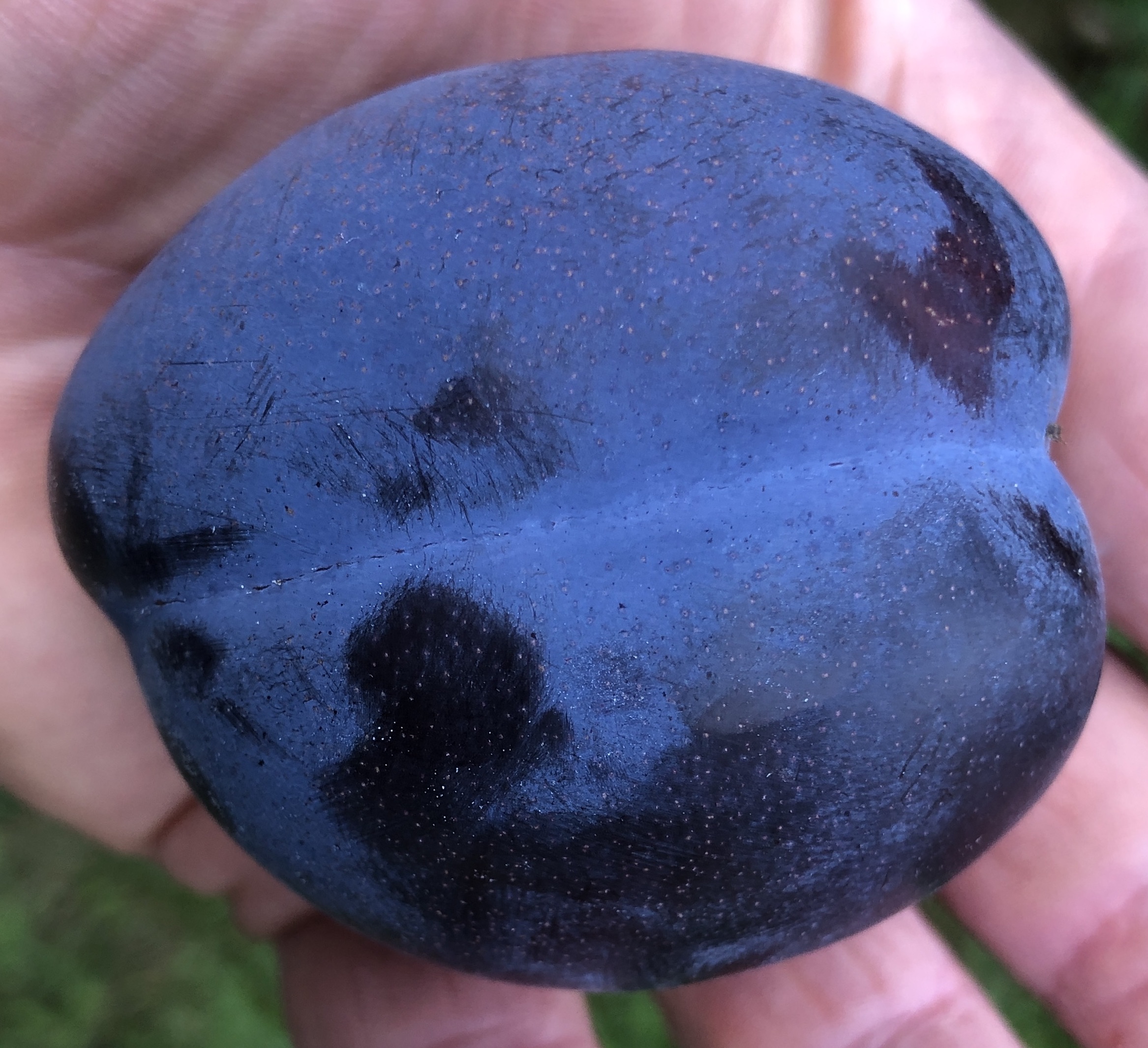
This year, 2023, has seen the best crop come out of the orchard as enjoyed by many individuals and groups visiting The Garden House, and you may have had chance to sample some our apples from the stall which we have had at the end of our drive. ‘Red Pixie’ has been a particularly pleasing crop this year, as it hadn’t fruited properly up until this year and it is a fine Surrey eating apple – sweet, flavoursome and a pleasing crisp texture – we finally discovered!
Our regular groups and volunteers who attend The Garden House have been picking, eating and taking apples back with them for eating and making apple pies, crumbles etc., as well as helping with picking for delivering apples to The Godalming and Community Store (food bank), who also feed into St. Mark’s food bank in Godalming. We sent apples to a Macmillan morning at Witley Infant School. We picked apples for Open Grounds, a community cafe in Guildford, who were focusing on saving food waste, so they were happy accept fruit with marks or distorted and their hard work resulted in the creation of apple jam, apple juice, apple cake, apple crumble, apple strudel and apple salad – well done! It was sad to hear that this summer The Garden Cider Company has been unable to carry on, with whom we have previously taken cider apples to, and instead we found Barnard’s Cider at Arbinger Hammer, as an outlet for our cider apple crop (they accept all sorts of apples in return for a share of the finished cider).
As an addition to the orchard, we have also discovered that what we thought were crab apple trees in the woodland are random edible apples, so we have also been making use of those – apples being used for juicing at Rosamund Community Garden’s Apple Juicing Day and for food banks.
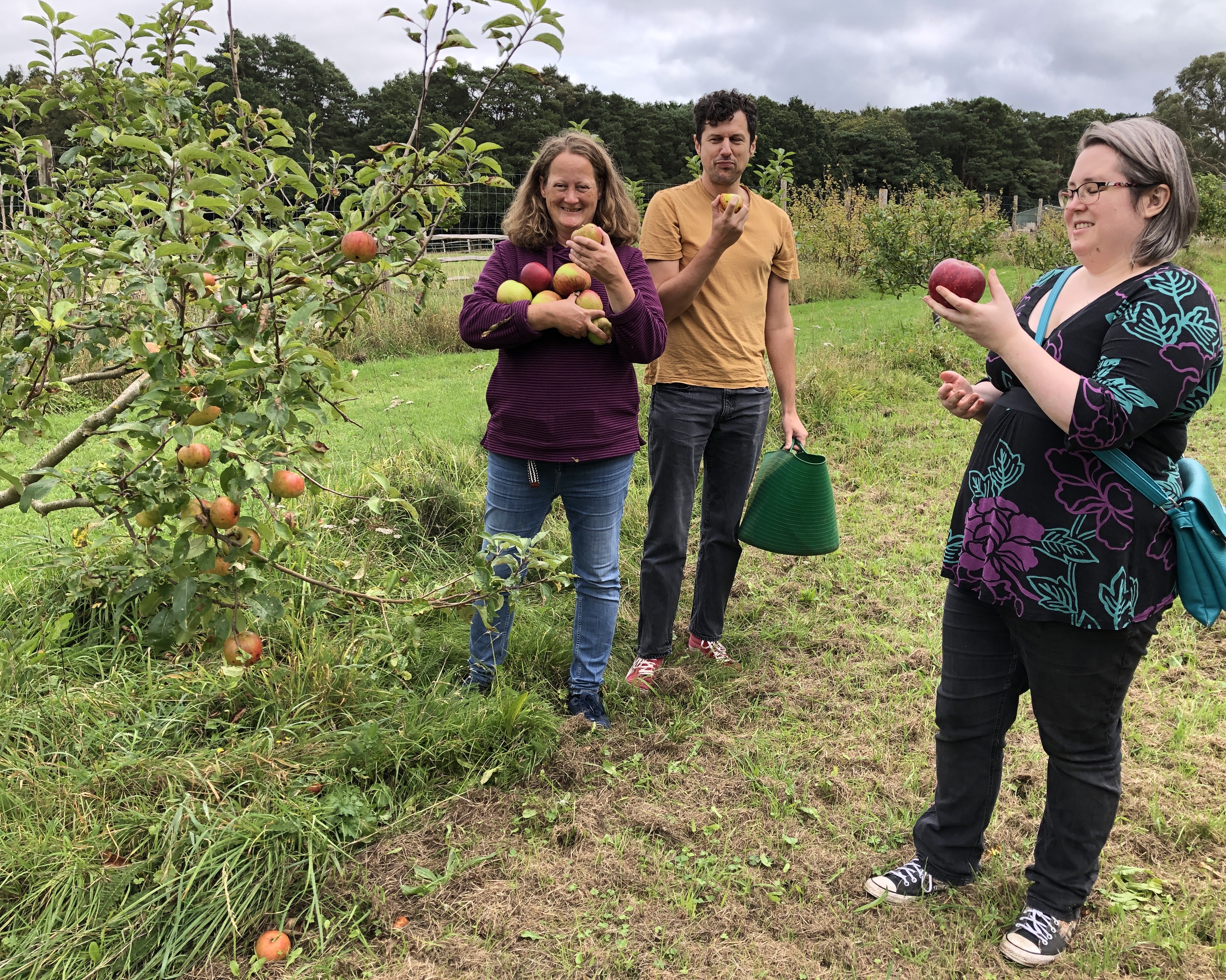
Pop-In volunteers enjoying the orchard harvest (standing by a ‘Red Pixie’ tree)
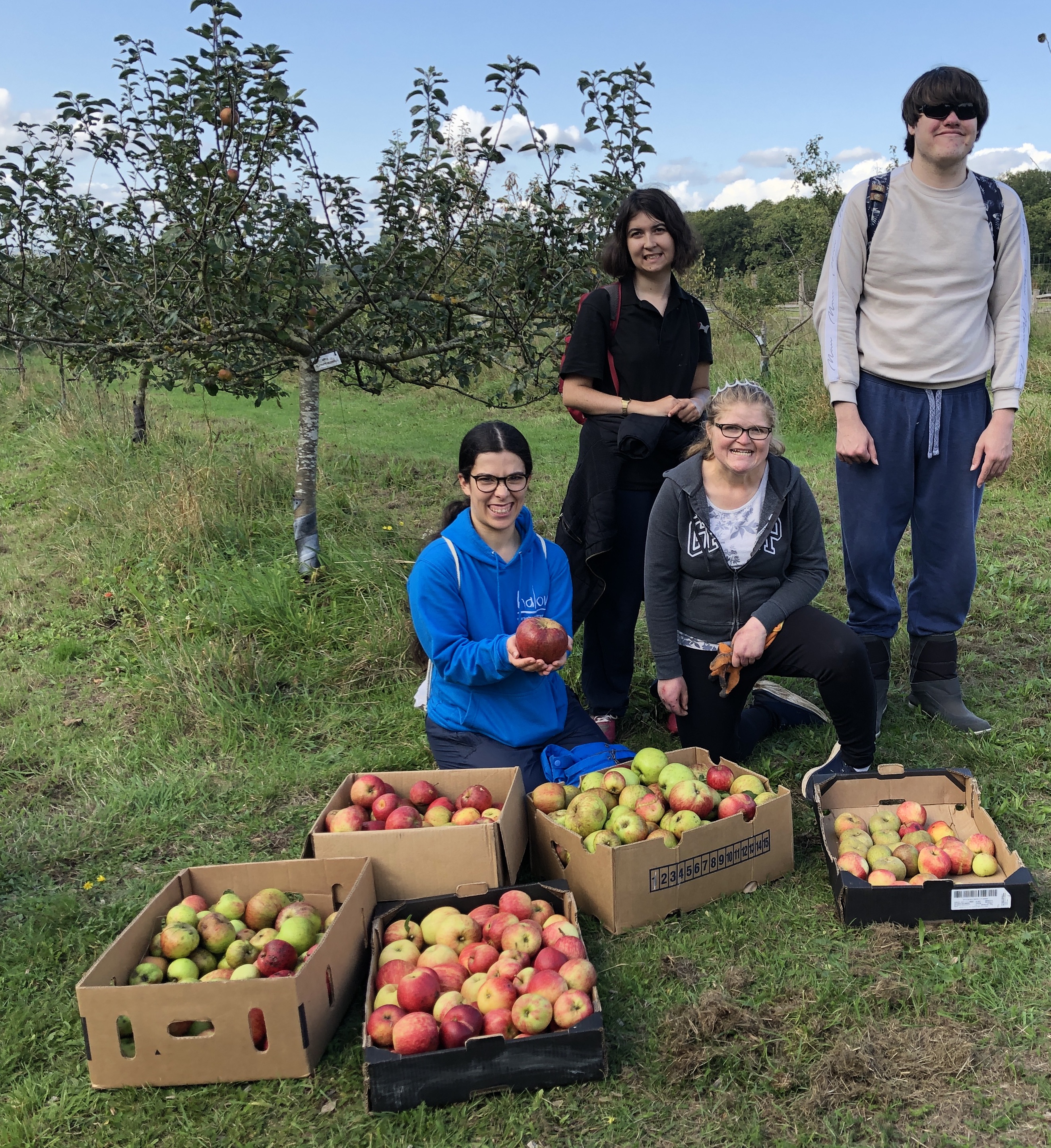
Volunteers from Halow picking apples for their group and Open Grounds, community café
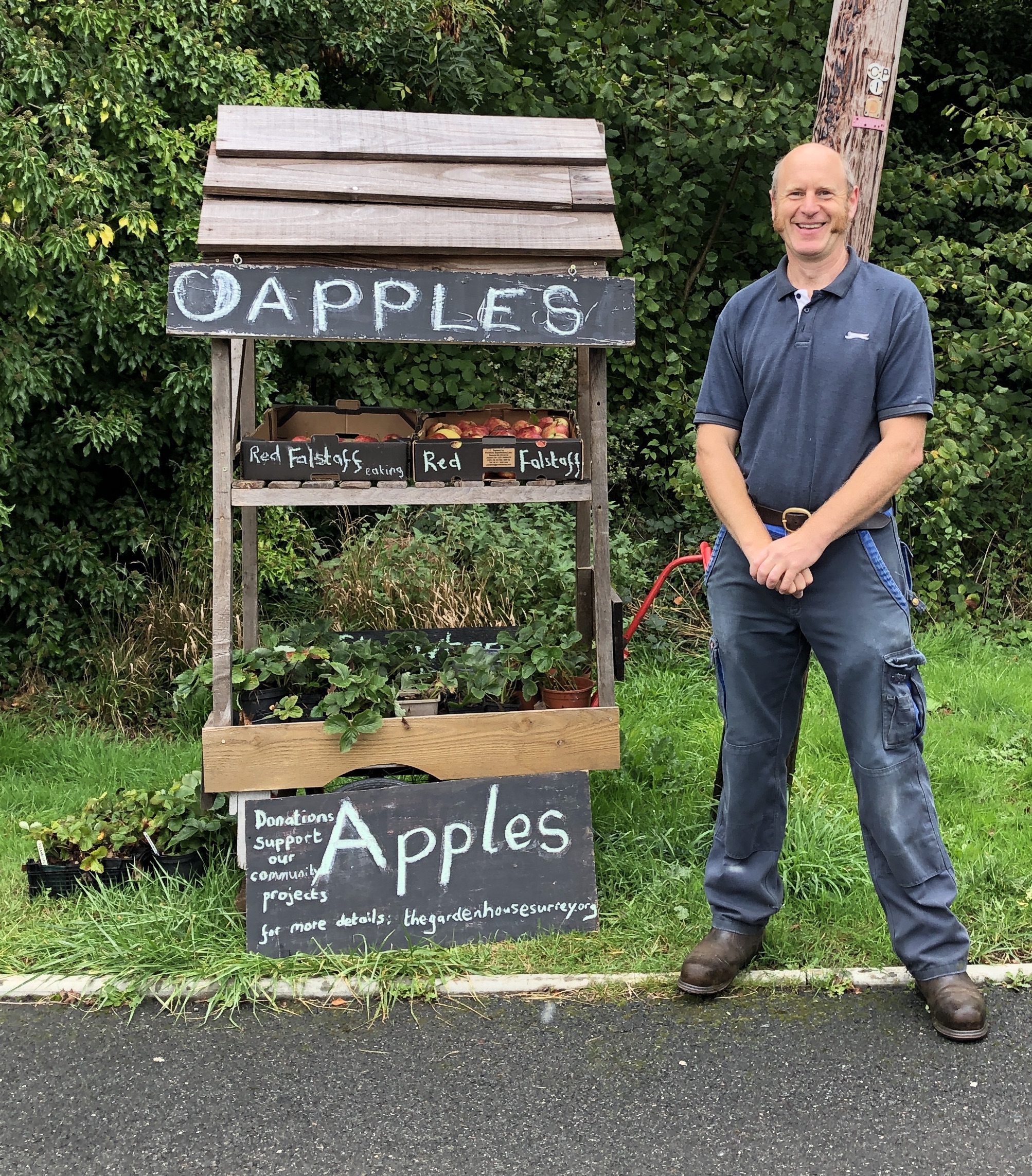
Andy (Author) with the apple cart
Thoughts on Climate Change – written by Andy Holdaway, Estate Manager at The Garden House
The evidence has piled up so high – climate change is a reality. So what is my point? What is really worth discussing is the seriousness and the need for everyone to collectively try and steer our path to something better. The more you look into the situation for yourself, the more you can understand just how important it is for us all to do what we can to reduce climate change and to help others to make a difference – not later, not when convenient, now.
4 years after its production, I recently watched Chasing Coral1 (available on Netflix, Youtube, etc.). I hadn’t heard of it, but now that I have seen it, it really is a call to action, one of very many.
Coral death is just one casualty of climate change happening within the lifetimes of the current generation of humans on our planet. It is one of the many ecosystems on which other life depends, but it is such a big part and though we are away from the sea at The Garden House, we need to understand the interconnectedness of everything on our planet.
‘An estimated 25 percent of all marine life, including over 4,000 species of fish, are dependent on coral reefs at some point in their life cycle.’2
With diminishing fish stocks from unsustainable fishing practices and more recently unexplained massive loss of crustaceans such as crabs3, what happens in the sea ultimately comes back to impact our lives on land. I think what really hit home about the film Chasing Coral was the impact that a couple of degrees of warming has on particular living organisms. The way corals live exposes it to the warming of the sea – like us being warmed by 2 degrees, imagine being warmed internally from 37 to 39 degrees – we wouldn’t last long in a state of perpetual fever. That is the situation for coral in seas being warmed by two degrees. It can’t cope and an ecosystem dies – that’s all the creatures that rely on that coral going with it.
Couple this temperature rise with a decrease in ocean pH level and the situation gets worse. Much has been written about the ‘acidification of our oceans’4. Greater levels of atmospheric CO2 combines with H2O to form more carbonic acid in the seas, and marine organisms find it increasingly harder to build their shells and coral formations of calcium carbonate. Beyond the devastation of lost coral reefs, which really is devastating when you see it, there is also the loss of the carbon sink function, which would lock carbon into the sea environment, and the loss of food chains on which we have come to rely.
We might as well continue and say that the oceans are the major sink for the heat created in the atmosphere as well as a sink for CO2, so it is not good that with an increase in sea temperature comes a reduction in the ability of the oceans to absorb CO25 – and there is concern for the oceans releasing rather than absorbing CO26.
Looking at the last few hundred years, the impact humans have had on Earth is so rapid when compared to the the millions of years that Earth has existed and evolved. Our ‘business as usual’ thinking is often so vastly at odds with natural ecosystems that we need to see how all the little impacts of our actions add up, and really do what we can to fit with nature rather than clash with it.
It is a mistake to underestimate the effect that our individual choices make, because these are what add up to create the whole impact and each person making choices knocks on to what others do – the things we buy, the way we travel, the food we eat, the way we manage land and (try to manage) nature, etc. We can’t help but notice what others are doing and if we are seen to be doing something, others will see that as a guide to their choices.
“Oh look, they are cycling to school, we could cycle to school.” (‘Sometimes’ is better than no times)
More cyclists equals more perceived need for cycling infrastructure and greater understanding of cyclists needs, leading to more cyclists and less pollution – just one example of individuals’ choices leading to progress for others.
More understanding of some farmers practices being bad for the environment and choosing food grown in a better way equals more demand for better grown food. Farmers who carry out poor practices will be forced to farm differently for economic reasons, if for no other reason.
Are we buying products from clear felled rainforest – teak, palm oil, soya, cattle meat? Looking in to where products and food really come from and the impact that they have is very valuable. If the origin is not known, it is probably best to expect the worst and look for alternatives with green credentials and an ethos of caring (not to be compared with ‘greenwash’).
I recently heard that if all farmers changed the way that they farmed and stopped deep ploughing this could have a massive impact on the amount of CO2 released into the atmosphere – just one of the many solutions. Supporting farmers who are making changes to greatly reduce carbon release is just one of the things that we can do. I feel that it is our duty to ask about these things that we don’t necessarily know about – who is doing the good stuff? It always seems that when there are enough voices on a subject things change. I feel very aware that I should speak up more for what I believe in, hence this piece of writing. I hope it helps.
Supporting energy providers working towards renewable energy equals more demand and progress towards getting away from fossil fuels. Greater understanding of the full carbon requirements of nuclear fuel is also worth understanding and consideration for the management of the radioactive waste and risk, both now and in the hundreds and thousands of years ahead, compared to the lower risks and adaptability of much renewable technology. The Garden House currently uses Ecotricity7 for its energy to try and support best practice in energy production.
It frustrates me that those in charge of our country don’t seem to work to create the best environment for us to live in for the health of us, the planet and all of the other wonderful life on it. Please aim higher! Letting everyone know how important looking after our planet is to us cannot be underestimated, whether through voting, daily conversations, conversations with decision makers, representatives, social media, direct messaging, letters or other ways which constructively and healthily inform decision. Isn’t it better to spend some more of our hard earned money on looking after the planet and ultimately our mental and physical health than going out with a bigger bank balance?
Where possible, within our means, choosing products and services which genuinely support our champions of good practice seems a better focus than those pushing the best prices for the sake of profit or self interest.
Having a 5 year old son has been a good reason for me to read The Lorax8, a very effective story about the perceived need for things driving the depletion of resources, but I would have done well to have read it at some point, anyway. Dr. Seuss, you clearly make your point!
The kind of people involved in projects like The Garden House often seem to be quite like minded in concern for our planet and its many environments, so I hope we can act as something of a hub for local people involved to share knowledge on the good practices out there and the good actions that we can support. Thank you to those who have helped me to learn more.
As a sustainable land project, The Garden House is a place where you can learn about good practice for reducing climate change. We are happy to help people learn about food growing, learn the value of ‘dead hedging’9 instead of burning garden waste, composting instead of creating methane producing food waste, planting and growing trees to absorb carbon, no-dig growing – reducing carbon loss from soil, building soil carbon content and holding onto carbon in soil – I would like to add biochar/charcoal to our soil for this purpose of locking carbon in. Our casual exchanges have included discussing holidays in the UK, reducing the need to fly, reduced meat consumption, healthy diets and ways to enjoy the experience – little nuggets of knowledge and experience coming together, helping build our collective reduction in damaging climate change. We have unfortunately also had conversations on the subject of adapting to climate change.
We are supporting the growing of good, sustainable practice.
With a solutions focused approach, I wish you, “Good luck, Everyone”, and please help to spread your knowledge of ways to a sustainable future.
Andy Holdaway, 15th December, 2021
Note from Andrew and Caroline
When we developed our plans for The Garden House almost ten years ago, we set out to create a model environment through sustainable use of the land and buildings, adding value to the community, enhancing knowledge and understanding, promoting well-being, and leaving a legacy for the next generation. Whilst these were only words at that time, the infrastructure and environment we have been able to put in place, and continue to develop, has underpinned this thinking. And the energy and knowledge that Andy has invested in the project has brought to life many of the key elements outlined in our Vision. He has achieved this in collaboration with the local community. The steps we are taking seem tiny in a global context but, as Andy emphasises, our individual contributions and knowledge sharing can be powerful tools in the fight against Climate Change.
1 Chasing Coral – A film by Exposure Labs
2 https://www.epa.gov/coral-reefs/basic-information-about-coral-reefs
3 ‘Apocalyptic’: dead crabs litter beaches in north-east England – The Guardian, 29.10.21
4 https://en.wikipedia.org/wiki/Ocean_acidification
5 https://www.carbonbrief.org/new-study-suggests-oceans-are-losing-the-ability-to-absorb-carbon-dioxide
7 Ecotricity – green energy supplier
Free Carbon Footprint Calculator available on the Ecotricity website – see how you are doing! – A bit crude, but doesn’t take long and might help.
https://www.ecotricity.co.uk/our-news/2021/try-our-free-carbon-footprint-calculator
8 The Lorax – Dr. Seuss
9 https://en.wikipedia.org/wiki/Dead_hedge
Please feel free to share these thoughts where you think it might be useful.
Not all years are equal and 2022 has certainly been a good year for apples and pears, at least here at The Garden House. Whether it was due to the relentless sunshine or just the natural variation between years, we are not sure, but with the rain after the long period of dry, the orchard crop has finished nicely. It has been great to be able to send fruit in all directions to grateful recipients.
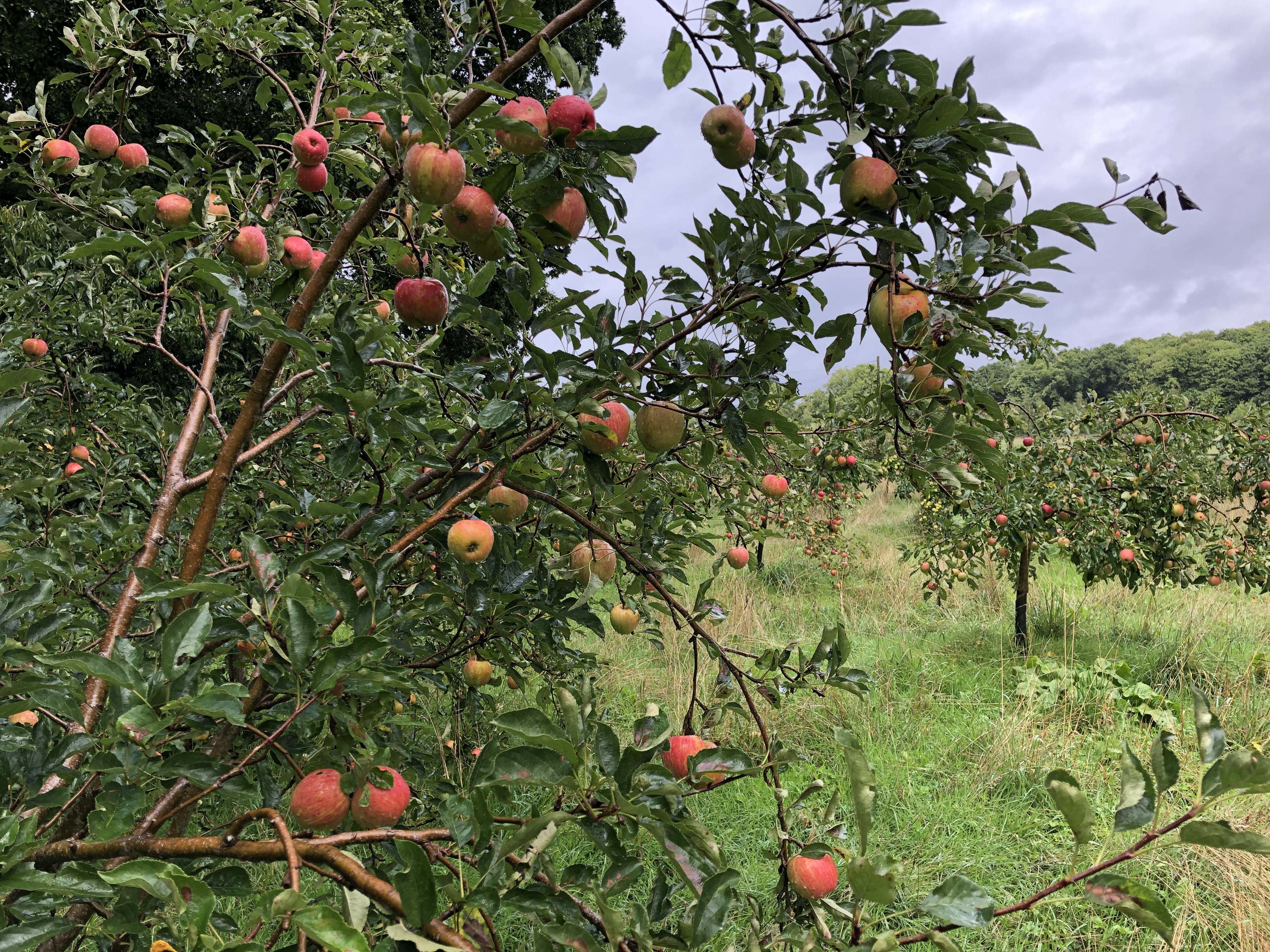


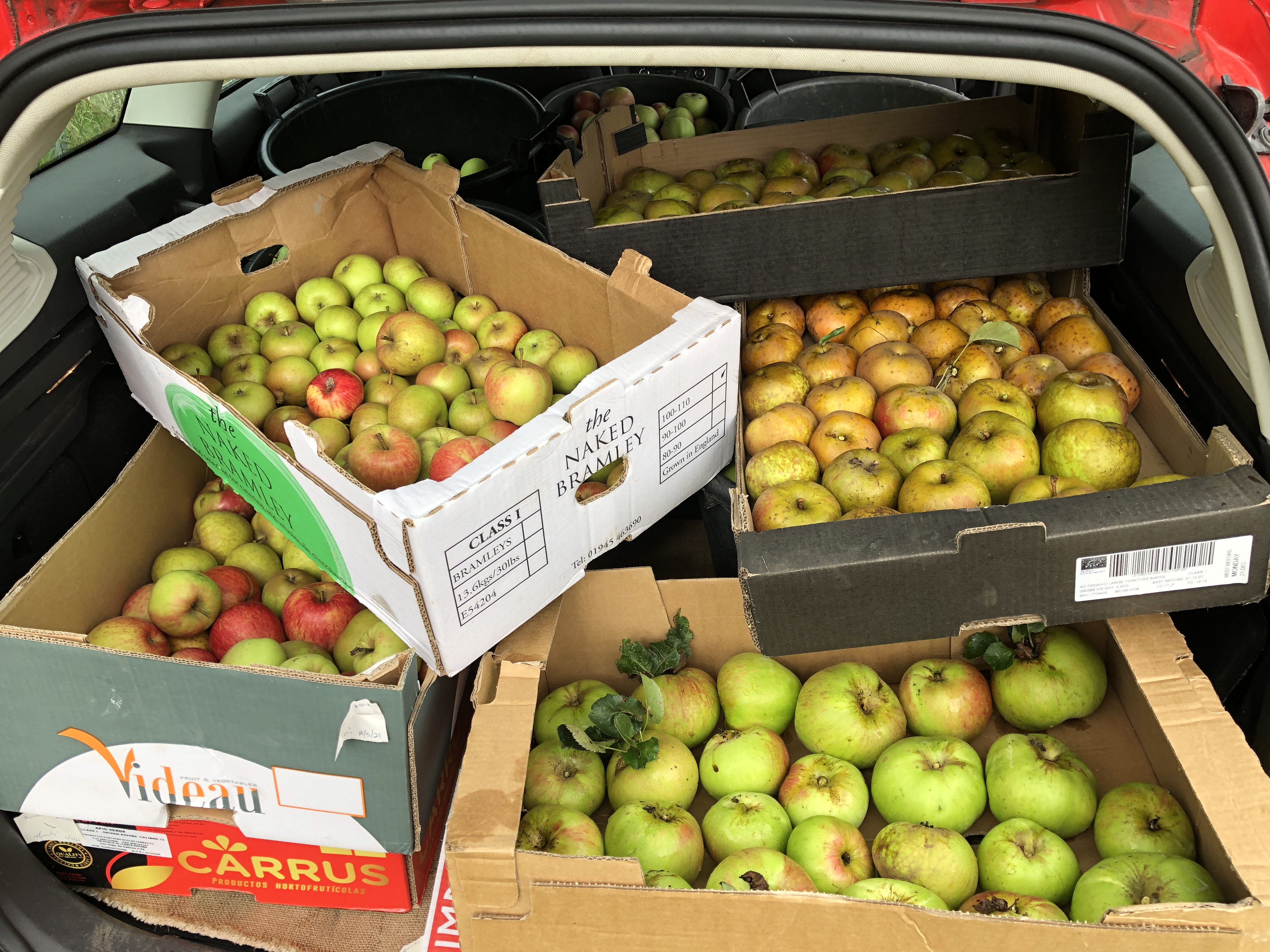
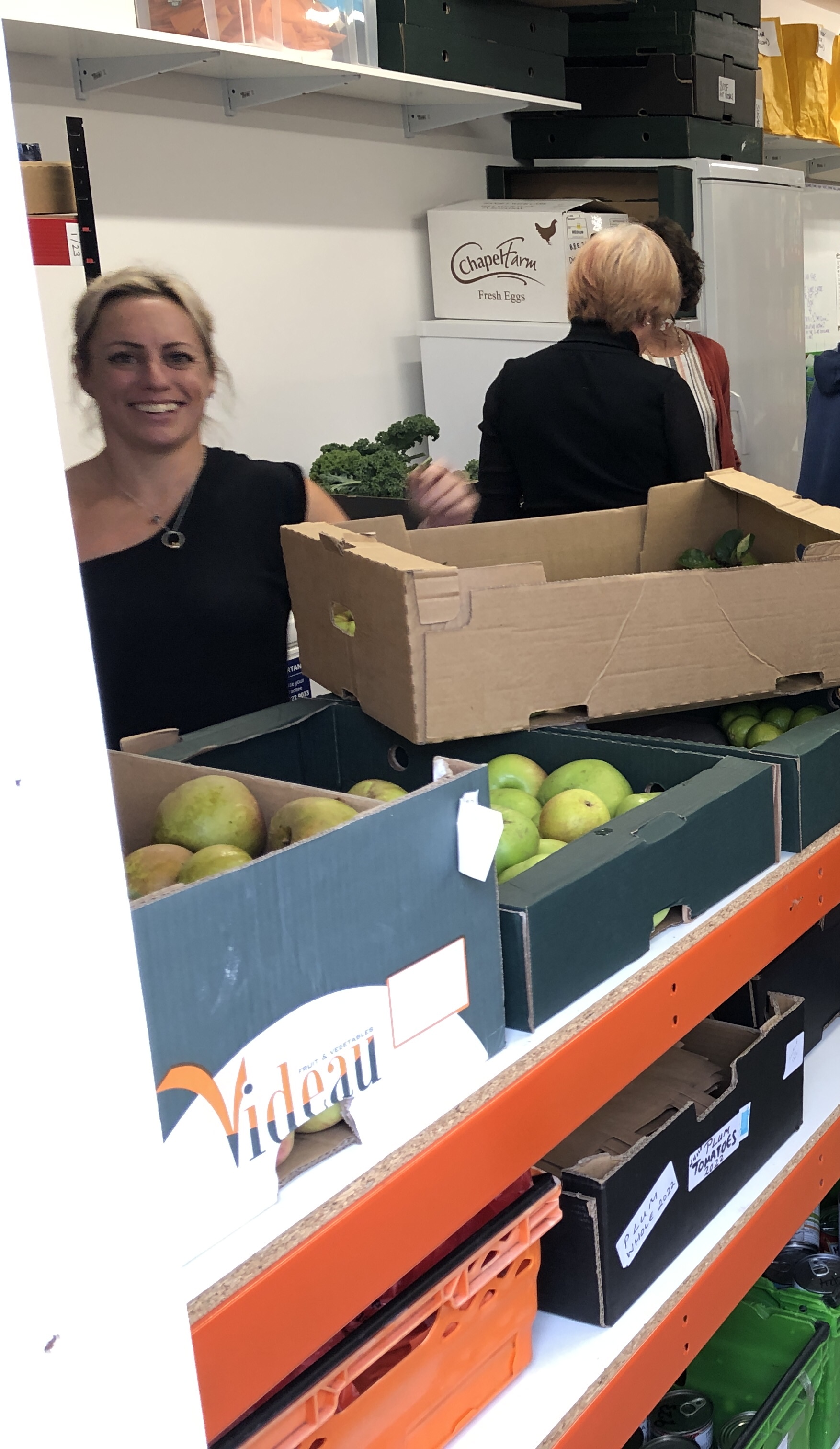
We have sent apples to Godalming and Surrounding Villages Community Store, and St. Mark’s Foodbank in Godalming, Jigsaw in Cranleigh, and the Juicing Day at Rosamund Community Garden. The Growth Team from Surrey Choices picked apples for Hale Community Centre Fridge and Cupboard; The Harbour, St. Joseph’s Specialist Trust, and Lockwood Activity Centre volunteers picked apples, and any volunteers on the estate have been helping to munch through the harvest whenever they were within reach. Apples have also regularly been put on our mobile stall for passers by. We also sent cider apples to The Garden Cider Company for a return in cider next year. All very pleasing for all involved!


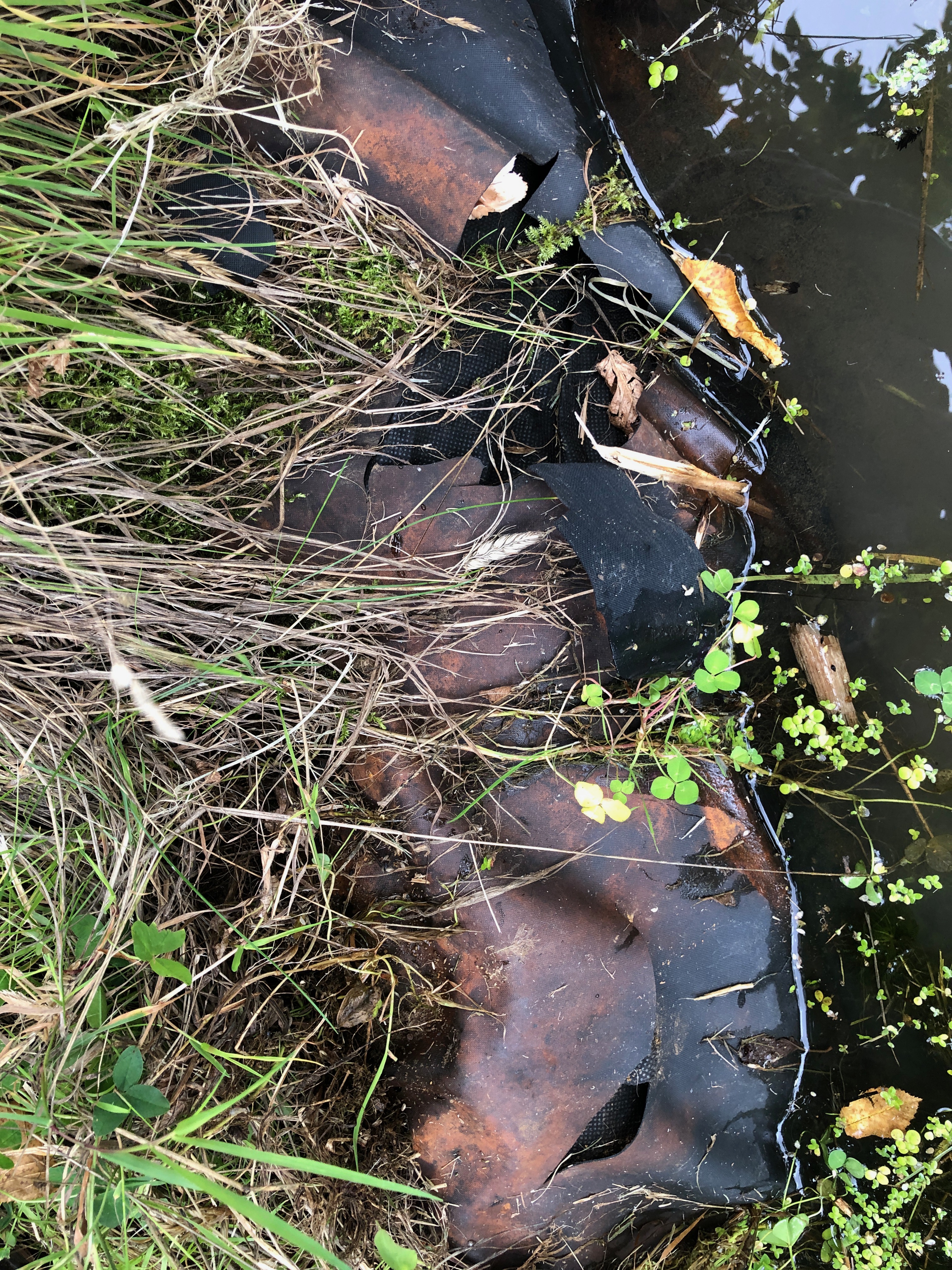
Less positive has been damage caused, we suspect, by foxes. With the hot weather, the low water level of the ponds have exposed more pond edge than usual. At the woodland pond, we found pieces bitten out of the EPDM liner, which was very frustrating, and obviously didn’t do much to help the levels go up when we finally received rain at the end of August and beginning of September – repair in progress and maybe large pebbles and turf might help to protect exposed pond liner, especially flappy bits in future…

We have been pleased to see 2 barn owls using a barn owl box that has been donated to us and hope that there have been young hatched in there this year. We have also seen baby coots on the big pond this year which makes for a fine sight if you get to see them before they hide in the reeds.

It has been a busy timetable with groups this year and we have been glad to fit in some time for newcomers Unsted Park School; 1st Witley Beavers – pond dipping, and looking at possibilities with local artist Jenny Greenland.
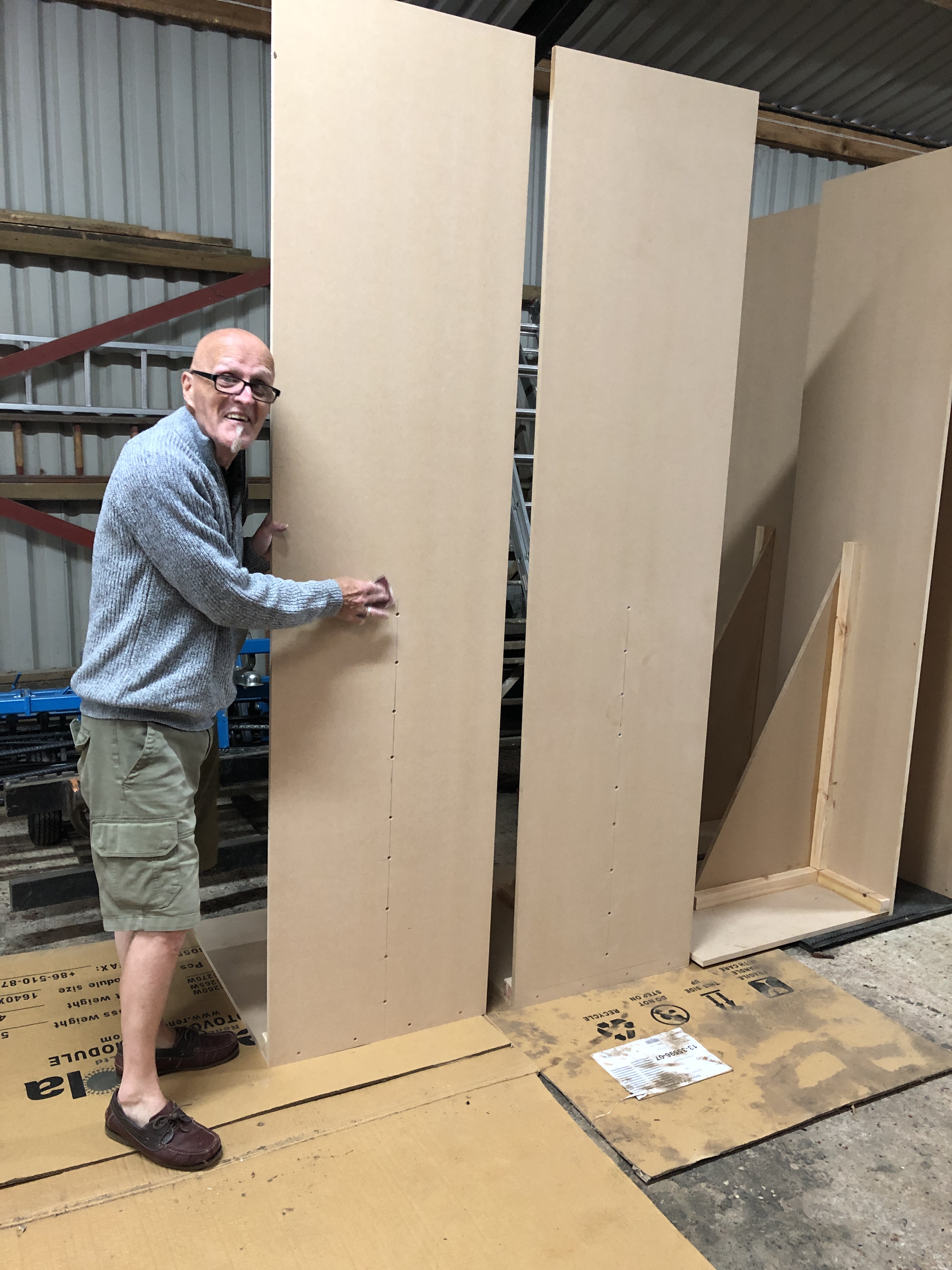
The Workshop has completed a task for Godalming College, making ‘drama flats’ and we had a visit from Ian Coult from the Repair Cafe in Godalming, to name just a few happenings.

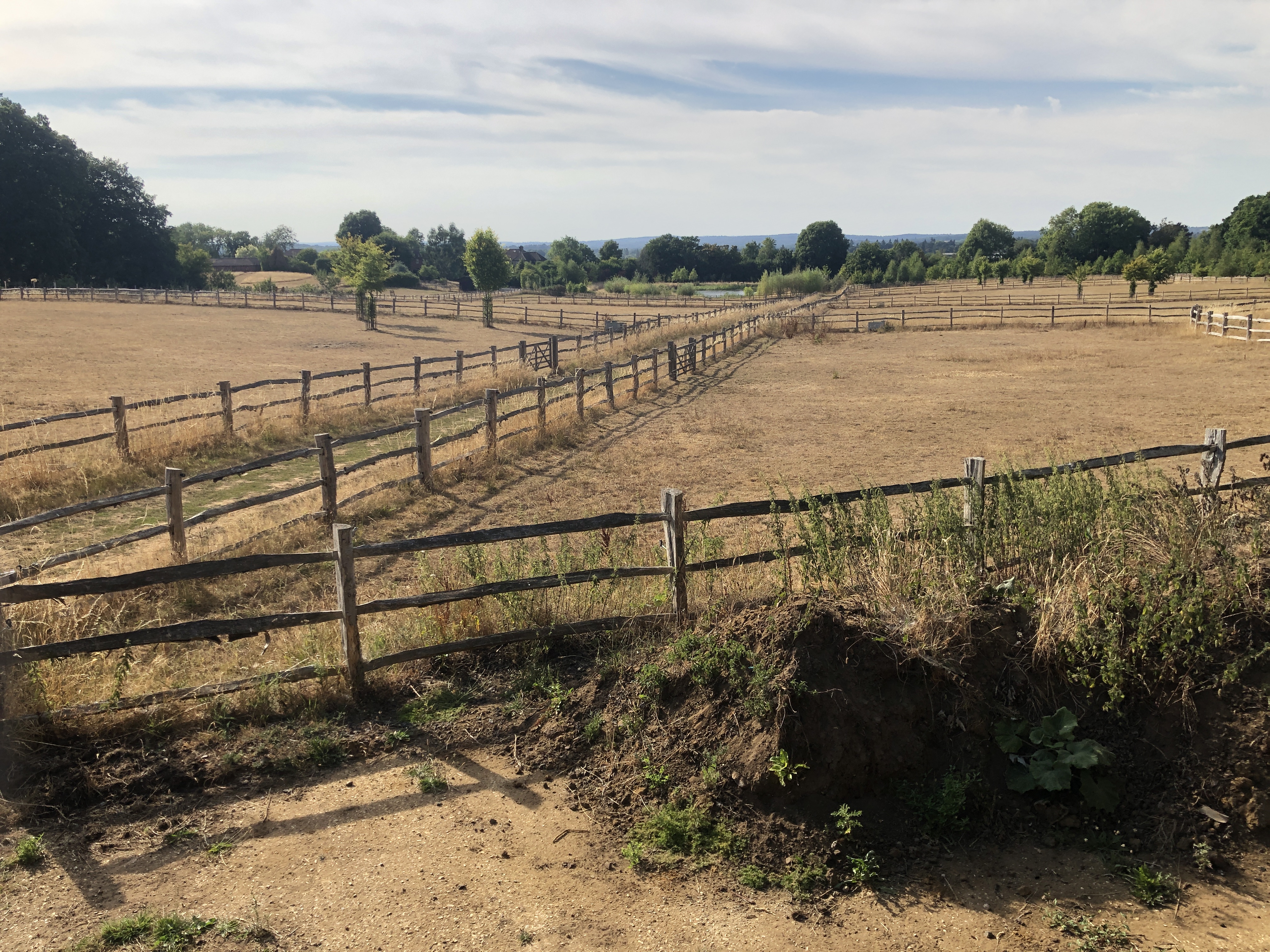
According to the Met Office, “July 2022 was the driest July for England since 1935”. By August, we were struggling to keep some plants alive and the grass was tinder dry. Lots of watering, but no lawn mowing required!
Interestingly the combination of weeks of drought followed by heavy rain seemed to cause a couple of significant branch breakages. A couple of substantial branches fell randomly in September. Good for firewood, not so good for anything underneath – which has luckily only been squashed shrubbery.
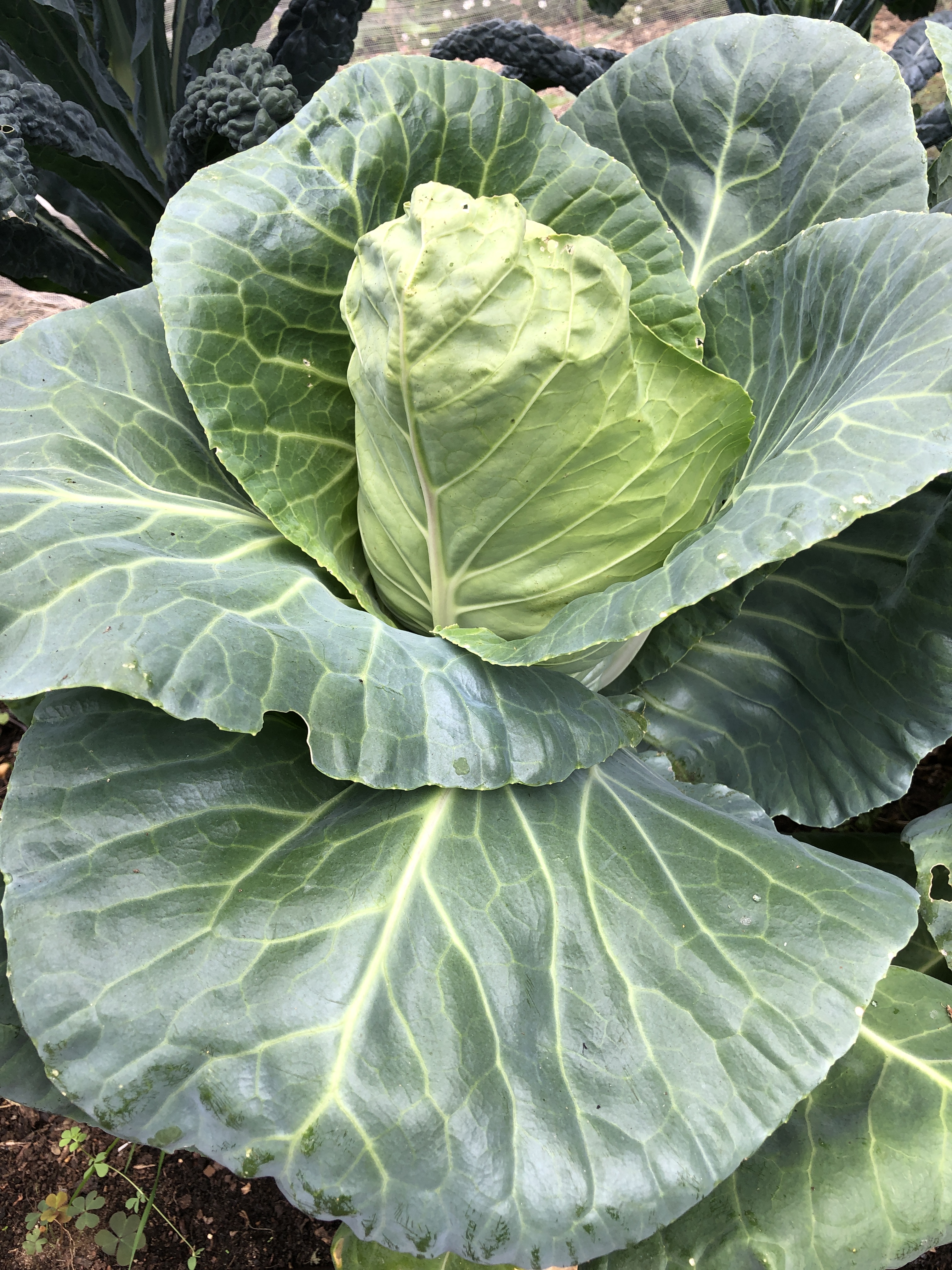
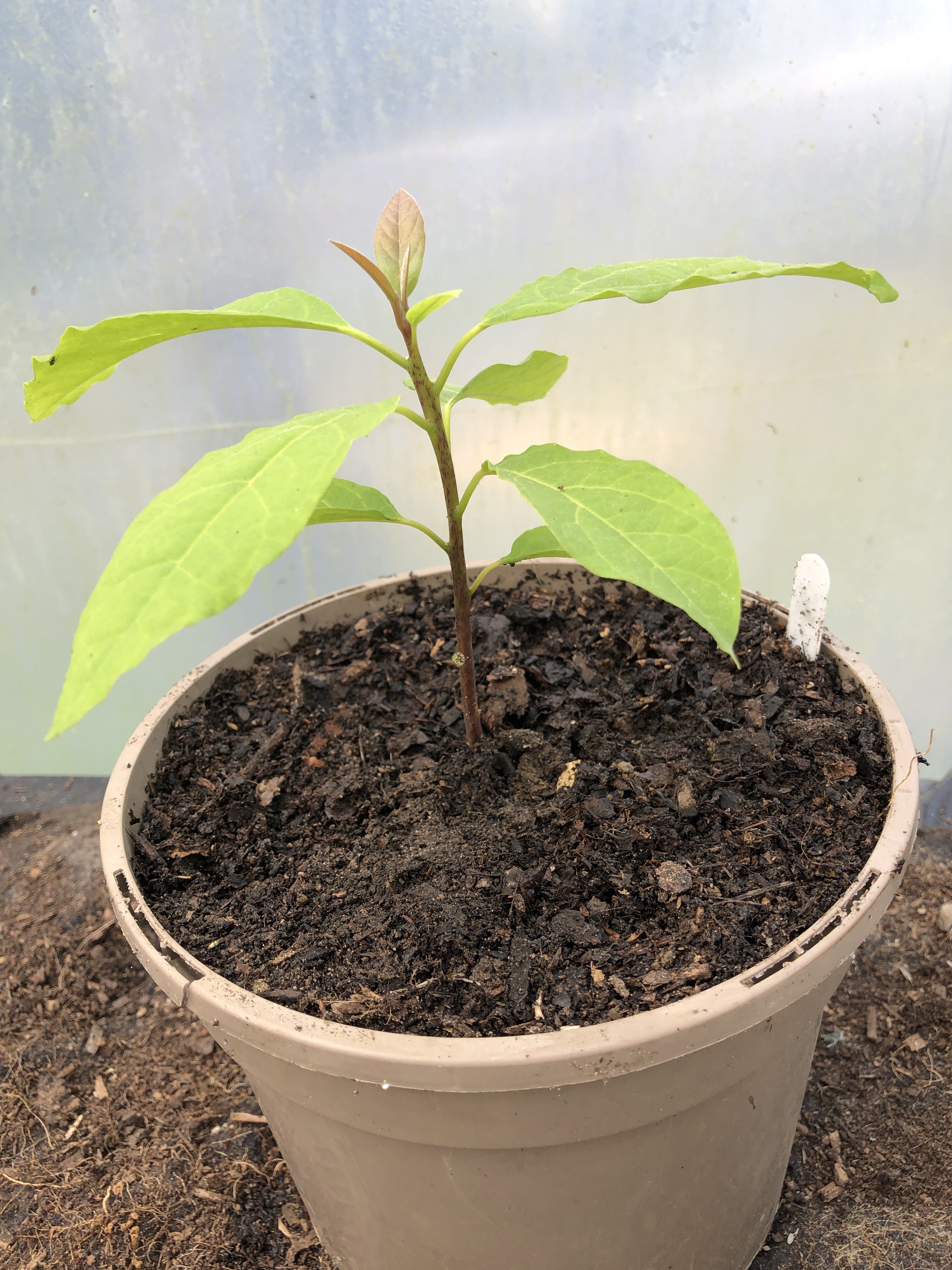
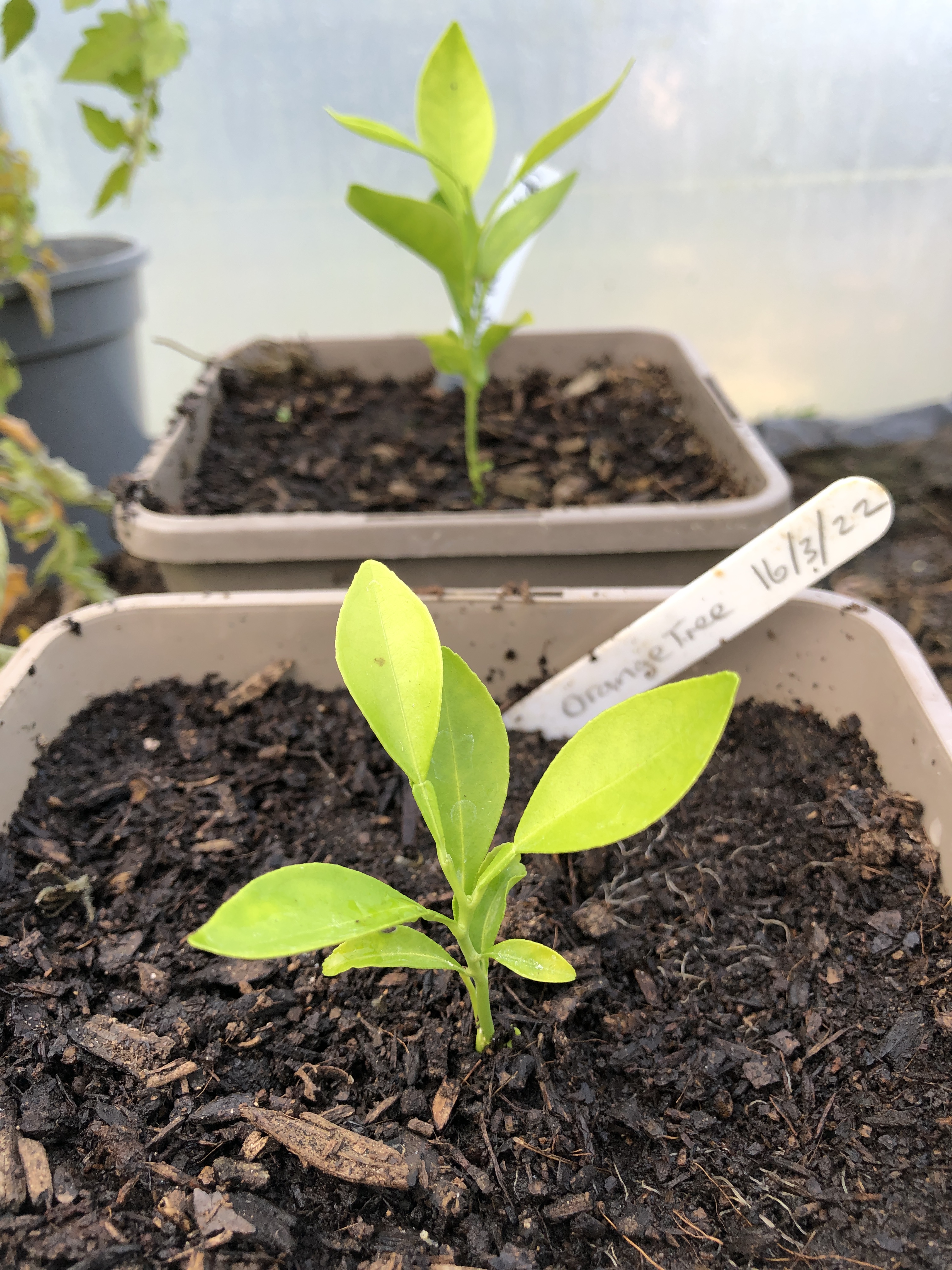
The garden has been ticking over in the background. Volunteers have had the chance to take home cabbage, black kale, tomatoes and we finally managed to pick a few berries, such as strawberries, blueberries and greengages from our fruit cage after too many seasons of squirrel damage. Chicken wire is now over the whole frame (and door) to keep out the squirrels for which the original plastic netting was hopeless. Outdoor tomatoes ripened better than usual this year and no signs of blight, yet (5th Oct. 2022), and we have had good carrots and winter/early lettuce amongst other successes this year. The hot weather has helped to germinate 2 avocado pears and 2 orange trees in the polytunnel. We will see how they get on…


Patrick Abrahams gives a great little talk on men’s sheds which should give you an idea of what our community workshop is all about. We welcome both men and women!
Our shed/workshop now runs on Tuesday afternoons between 13:00 and 16:00. We are looking for local people who might like to join us. Please contact us in the first instance. We would be very grateful if you are able to pass on this information to those who may be interested. Many thanks!
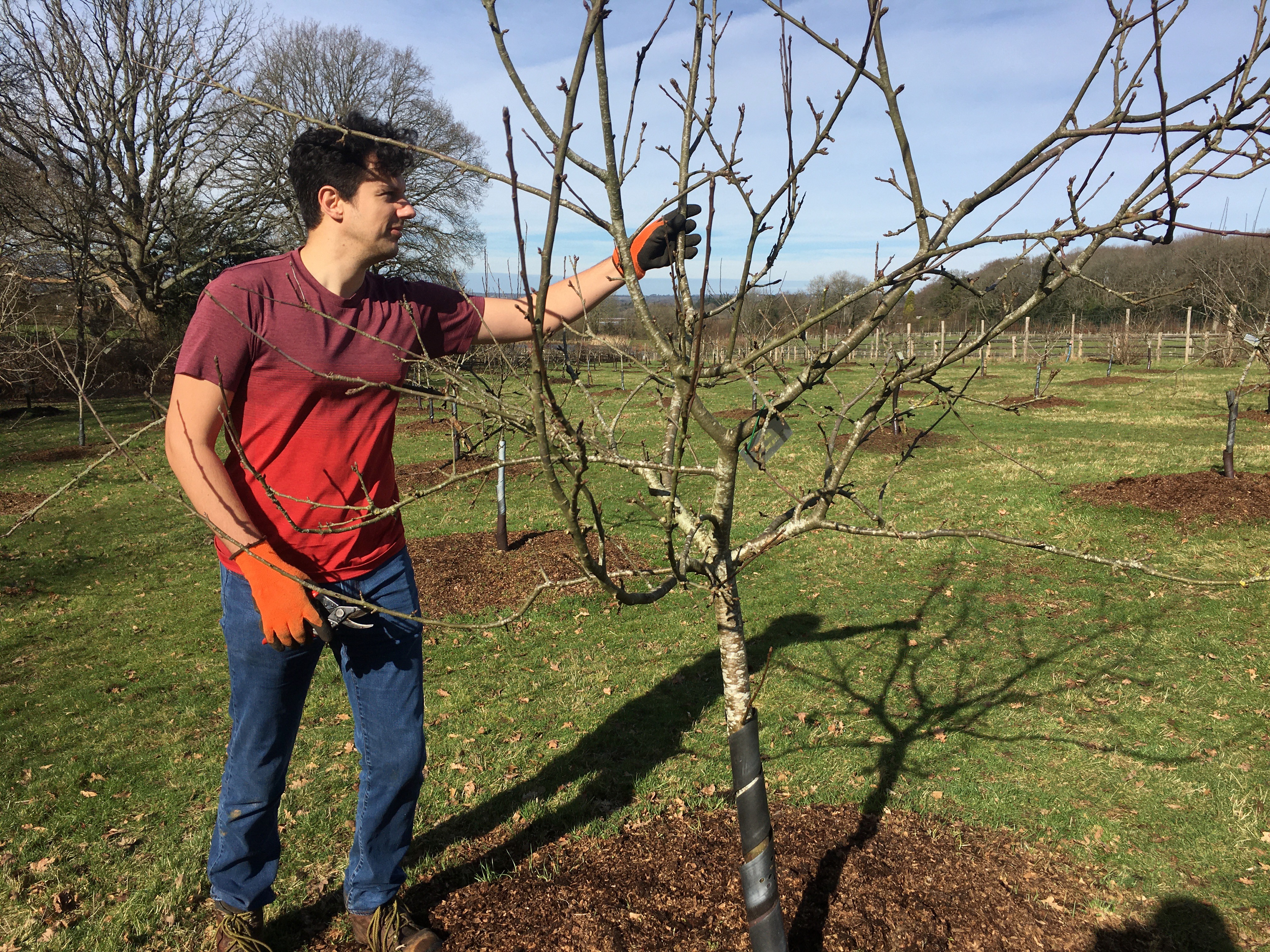
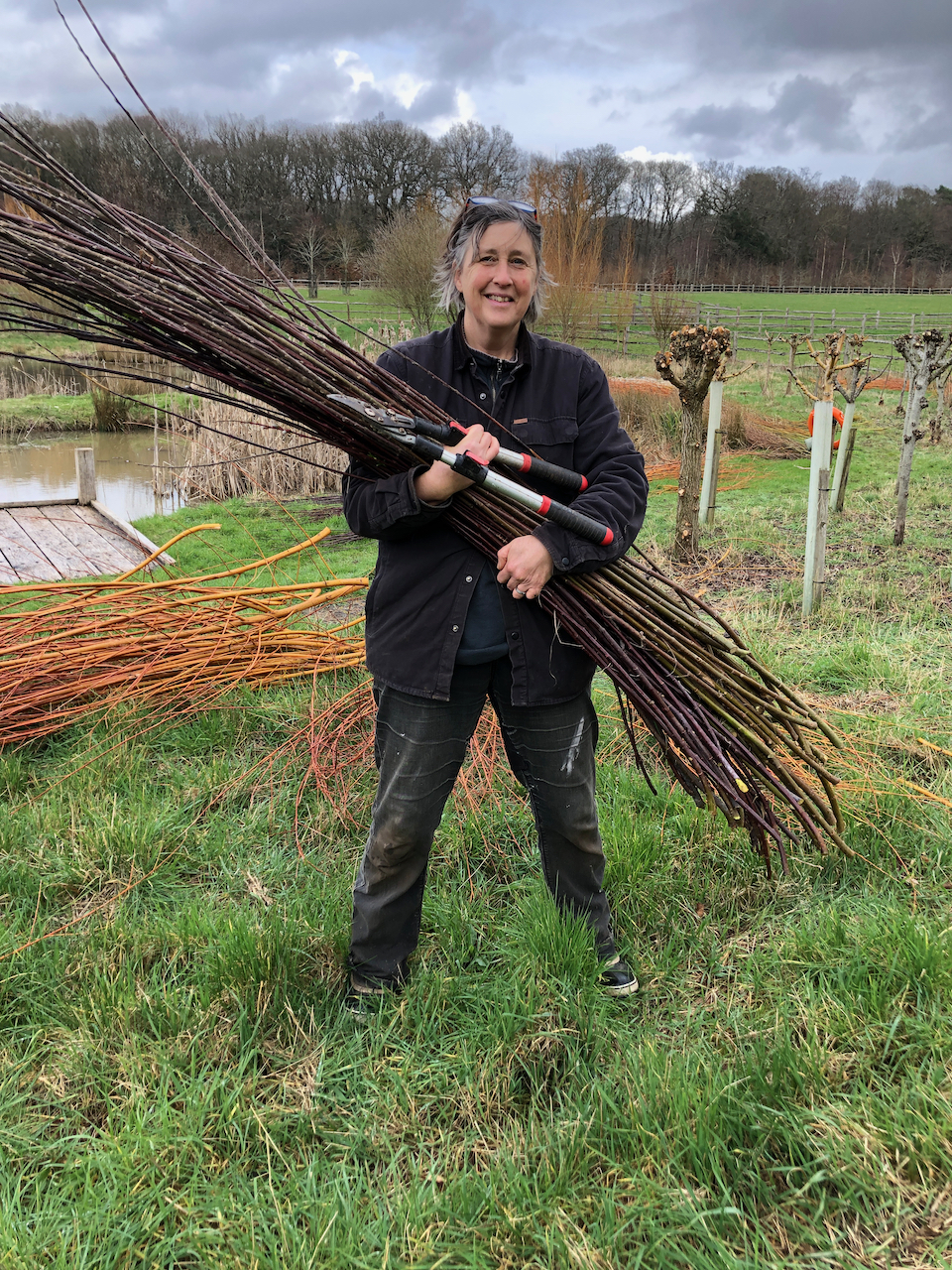
Having worked in the areas of sustainable living, organic gardening, small scale organic farming, sustainable land management, community and social projects, and dabbling in rural crafts, I have been thinking about the scope for crossover between projects and individuals and the value of skills and knowledge sharing. Pollinate is the result of this.
The idea is to network and collaborate for mutual benefit – assisting other people and
projects, whilst learning from others; sharing skills, knowledge and experience.
I will focus on local connections in the Surrey and surrounding areas, but will travel further as appropriate.
If you would like to link on this, please don’t hesitate to contact me, Andy Holdaway, at:
thegardenhousesurrey@gmail.com
07557 554261


 The Garden House
You must be logged in to post a comment.